Written: March 3, 2025
Designing Multiplayer Games Around Cooperation
Cooperative design through capability symmetry, objective dependencies, timing, and group size, drawing on prototypes and game examples.
This is a complete, paragraph-aligned English translation of the author’s supplied Word manuscript, prepared for this website. Examples and product status reflect the time of writing. Original figures are retained, including text in their original language.
Contents
[Game Design Research] Designing Multiplayer Games Around Cooperation
Author: soinzhang · March 3, 2025
Research background
As online multiplayer games flourish, much game design focuses on competitive, strategic PvP, which also supplies many innovative mechanics. Yet the popularity of cooperative games such as It Takes Two, Sky: Children of the Light, and Helldivers 2 in recent years has motivated me to revisit the underlying mechanics of co-op. Several years ago, I also helped design a squad-based competitive game built around asymmetric cooperation. That experience, together with the book Stealing Fire, gave me some familiarity with cooperative mechanics. In this article, I want to review and organize frameworks for designing cooperation that other game designers can reference and apply.
Another consideration is today's almost saturated market. It is extremely difficult for a mechanic to stand out, attract streamers, encourage player sharing, and give video makers and other creators opportunities and material for their work. Getting purely single-player, content-driven narrative games widely discussed is becoming harder—though certainly not impossible, as last year's Black Myth demonstrated. Designing mechanics for esports-oriented, livestream-friendly PvP is also extremely difficult; in recent years, Valorant has been one of the few successes in this direction. If we consider shareability from the beginning of development, cooperative mechanics are a subject we cannot avoid.
For games as a service and free-to-play games, retention and longevity are crucial to success. Research on many F2P games also identifies social factors as a leading reason players stay or leave. But social design means more than adding voice chat, messaging, parties, guilds, and similar features. The design of cooperative and competitive gameplay mechanics is what truly establishes social relationships within a game.
This article therefore sets competitive strategy aside to investigate opportunities for innovation and breakthroughs through cooperation.
I want to explore several key game design questions:
1. Why can cooperative games create such strong engagement and longevity? What design principles and elements underpin them?
2. How can we design cooperative mechanics for different kinds of games to make their experiences more compelling?
3. What design trends are emerging in cooperative games, and what do players want from cooperation?
1. Why can cooperative games create strong engagement and longevity?
Many players have their own memorable peak-and-end moments. Beyond moments of immersion in a story or a level sequence, many are created while playing with friends. The reason relates to our nature as social animals: when we connect with another real human being, we can… [The sentence ends here in the original.]
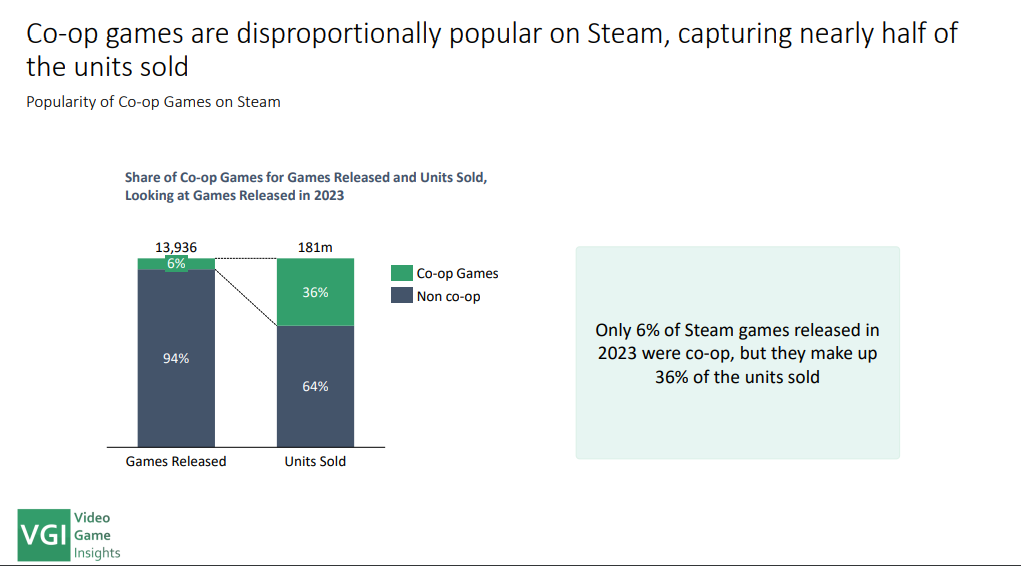
A 2024 VG Insights report already outlined the rise of co-op games. Since It Takes Two won Game of the Year, Best Multiplayer, and Best Family at The Game Awards in 2021, players have also noticeably experienced an increase in cooperative games.
I
For the full VG Insights report, see: Rise of the Co-op Game
1. In a livestreaming and video-sharing environment, cooperative games offer greater potential for player stories and circulation.

If you follow how prominent streamers and online personalities choose games, you will notice that many struggle with developers' failure to offer more entertaining and discussion-worthy experiences. Faced with unremarkable or overfamiliar games, streamers have to manufacture extra drama themselves to keep the broadcast from becoming soporific.
Cooperative games often appeal to streamers because playing together produces entertaining broadcasts and makes interaction between presenters easy.
Game and level designers may discover new ideas by asking more often: would a streamer choose my level or game for a broadcast?
2. Social factors account for a large share of online-game retention and churn.
Investigations into why online players leave produce a strikingly consistent finding: social relationships contribute greatly to why people start, stay, and stop playing. Whether friends can have fun together is central to many online games. Yet many games lack a dedicated social play situation or a mechanic that effectively encourages communication.
This study is not a comprehensive treatment of social game design. It examines how co-op mechanics can help establish relationships. Social-system design is a much larger subject, closely connected with each game's player ecosystem and community. I hope to explore it further another time.
3. Cooperative games can turn strangers into friends.
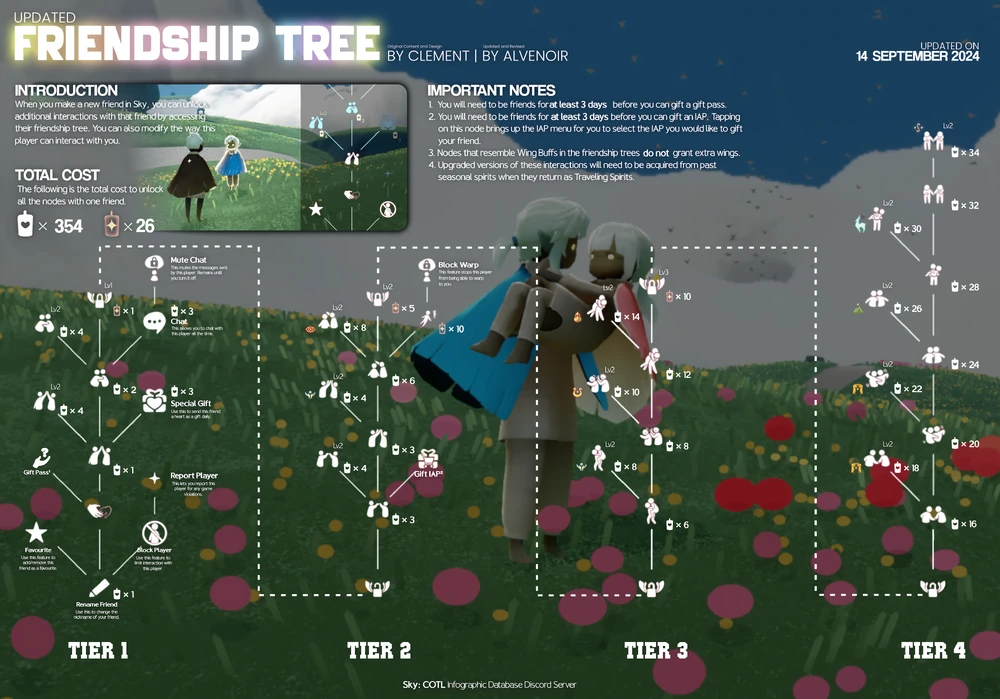
Sky: Children of the Light is forward-looking and innovative in its cooperative design. Its friendship interactions model a progression through which players establish mutual trust in a virtual world. Building relationships through actions lets players move beyond playing only with existing friends or forming purely instrumental teams. It allows strangers to break the ice and offers an important reference for other cooperative games.
The following image shows how increasing intimacy in Sky unlocks richer social interactions:
2. How can we design cooperative games? Categories and design perspectives
This section approaches the subject from a game designer's perspective, using categories to inspire design. These are not standardized academic classifications. They are useful ways of adopting a particular viewpoint and identifying representative mechanics. Insisting on a definitive category for a particular game or level risks overlooking how today's games cross genres and labels. I want to make that limitation clear before presenting the framework.
2.1. Classification by symmetry of individual capabilities
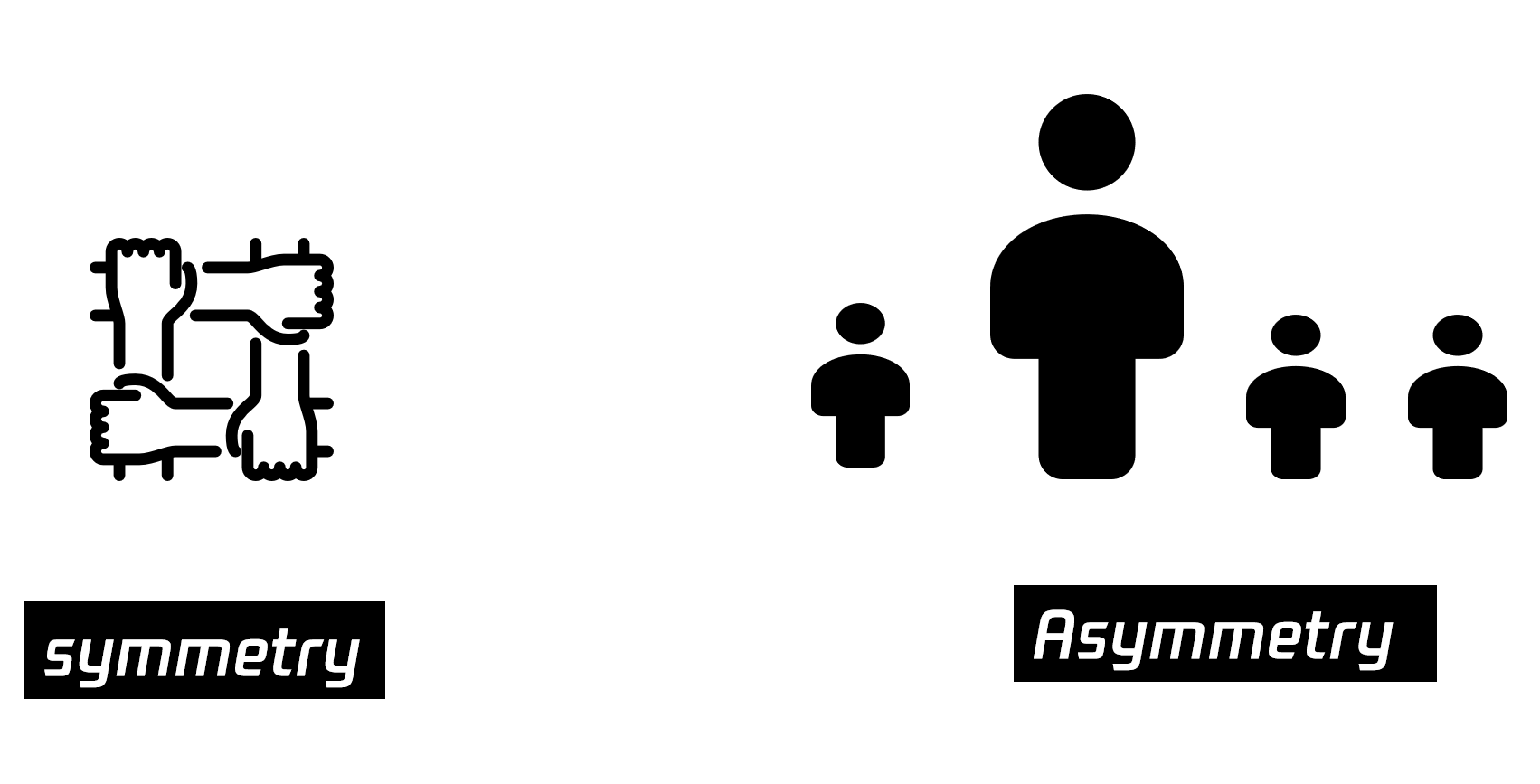
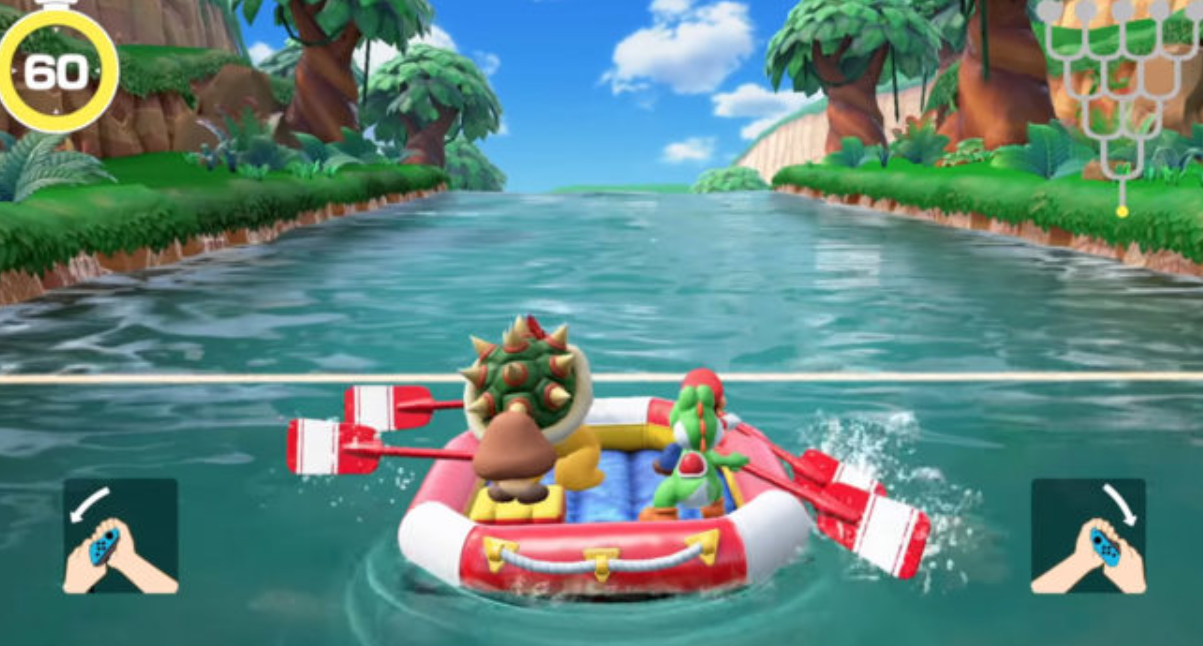
Symmetric cooperation asks broadly similar or identical things of the participating players—for example, four players working together to defeat Bowser in Mario Party.
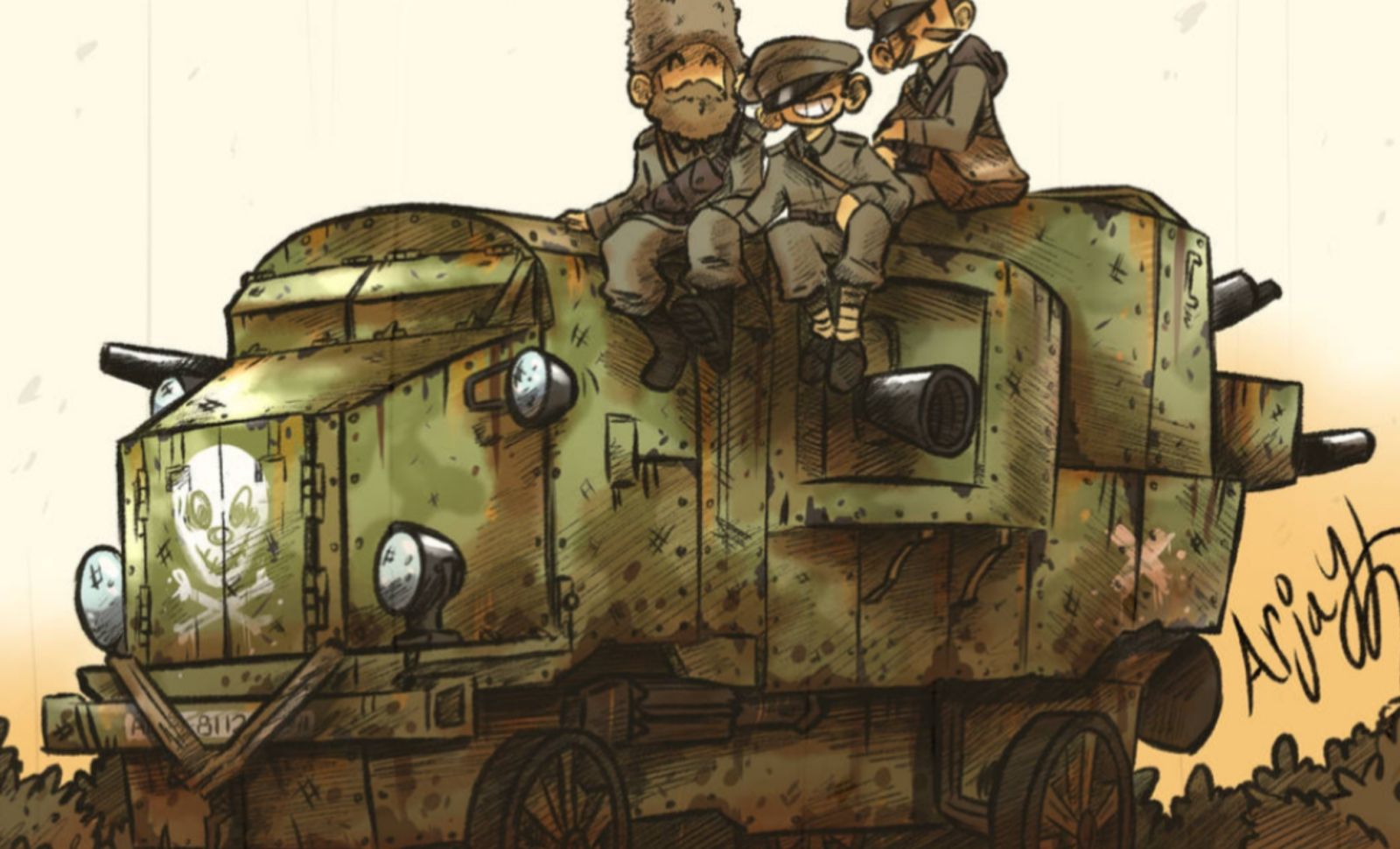
In an earlier project, I experimented with four players jointly operating a mech, inspired by asymmetric cooperation. That project taught me lessons and gave me ideas about cooperative games.
The prototype allowed four players to operate a large mech together. Anyone could become its driver or occupy a gunner position. Each station offered different weapon capabilities: some had precision missiles, while others used explosives capable of delivering substantial damage. Players could also eject at any time to clear ground enemies, recharge the mech, or repair and resupply it.
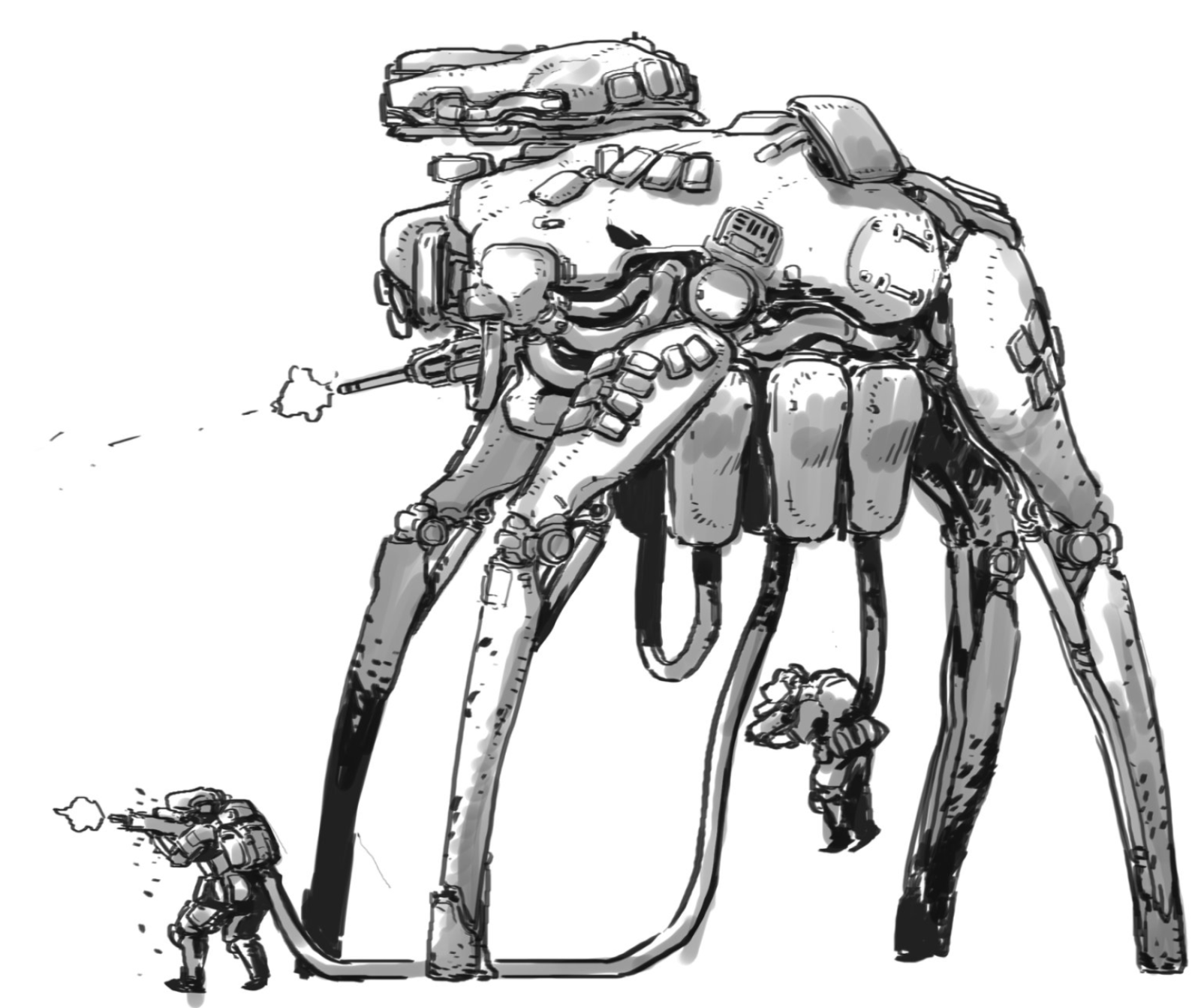
I could probably talk about this case for ten hours—there are so many stories! Here I want to focus on one idea: the mech's stations dynamically redistribute capabilities and the symmetry of cooperation during play. Squad members can switch according to their own abilities and the immediate battlefield situation.
If you are interested, the earlier combat-design development log is here:
https://km.woa.com/articles/show/475800
This example leads to my first small design suggestion: allow players to dynamically adjust the symmetry of their roles during play. That can give a squad greater dynamism, vitality, and potential to create player stories.
This is not a new method. Many games already use related ideas: changing heroes after respawning in Overwatch, or hurriedly dividing tasks in Overcooked, both illustrate dynamic adjustments to capabilities during a match.
Another major advantage of asymmetric cooperation is a broader audience. Players with different skills, abilities, and preferences can enjoy the same game in different ways. Many classic designs do this. In Super Mario Galaxy, the second player can immobilize enemies and help the first collect stars using the controller; this idea continues in Super Mario Odyssey's Cappy. In ICO, a second player can control Yorda to evade the shadows, although she cannot attack.
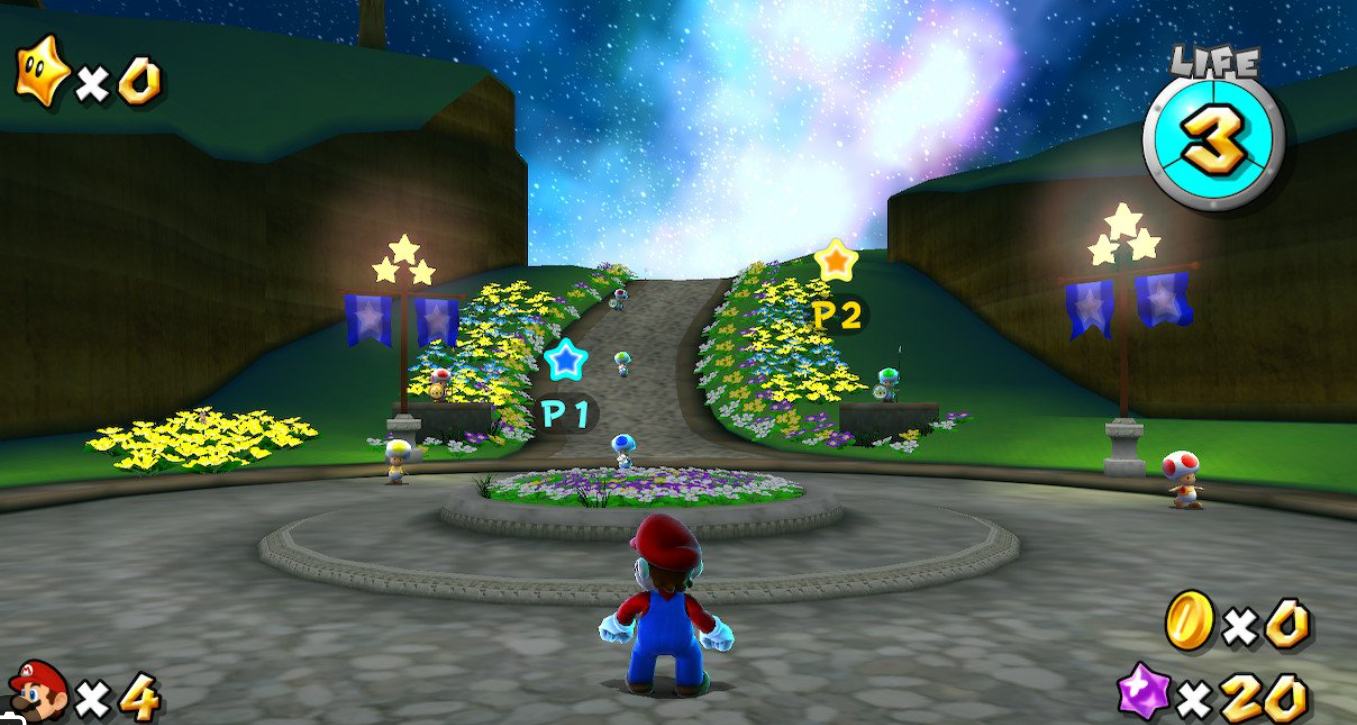

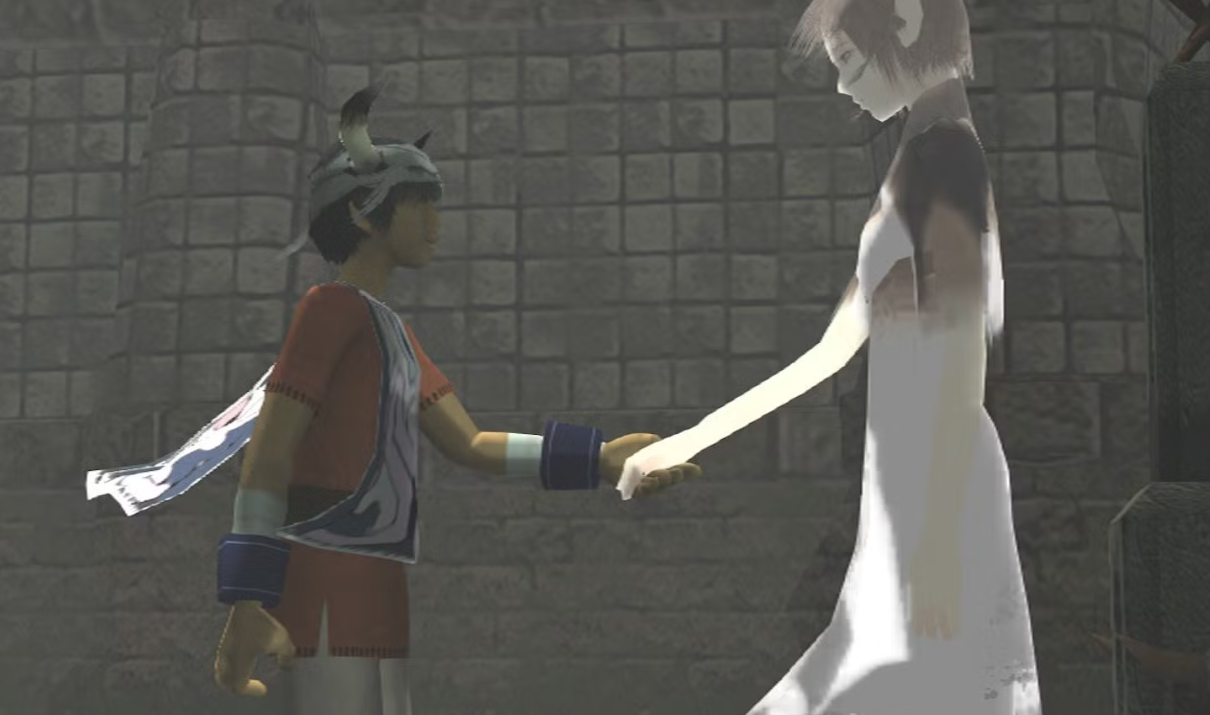
Asymmetric cooperation can do more than accommodate different skill levels. It can cultivate relationships, gradually moving players from low-intensity, low-skill cooperation toward more intensive and demanding cooperation.
Summary
Capability symmetry generates many design ideas and can be used flexibly in cooperative mechanics. In my view, console-era two-controller asymmetry, as in Super Mario Galaxy and ICO, does not directly suit today's online environment. Localized, dynamic allocation of asymmetric abilities within a larger game—such as operating vehicles together in Battlefield—may have broader applicability. We should also view player ability dynamically: mechanics should accommodate developing skills rather than assume and confine players to fixed capability ranges at the outset.
The main purpose of asymmetric cooperation is to broaden accessibility so that different kinds of players, with different abilities, can each find enjoyment.
The trend between capability symmetry and skill requirements shown above is not inevitable. Asymmetry can accommodate more lower-skill players, which opens up design possibilities. High-skill asymmetric cooperation could certainly also emerge.
2.2. Creating cooperation through in-game objectives
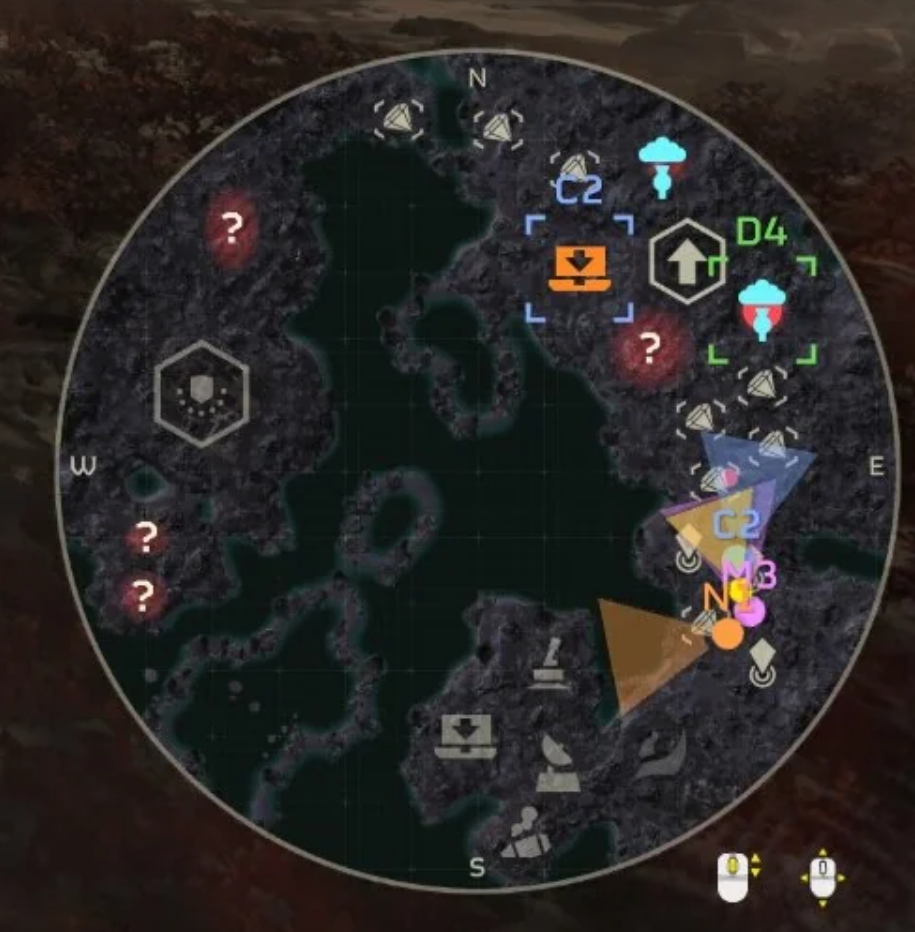
Another approach is to encourage task division and cooperation through level design. Different objectives arise within a level, and these sub-objectives create opportunities for party members to cooperate. This is common in many multiplayer cooperative games.
Many games have an overarching core objective, but it can be abstract and cumulative rather than requiring concrete coordination. Designing cooperation around sub-objectives—whether emergent or predetermined—can enrich the entire level experience, making an otherwise fixed and sparse sequence more dynamic and substantial.
1. Establishing fixed and emergent objectives
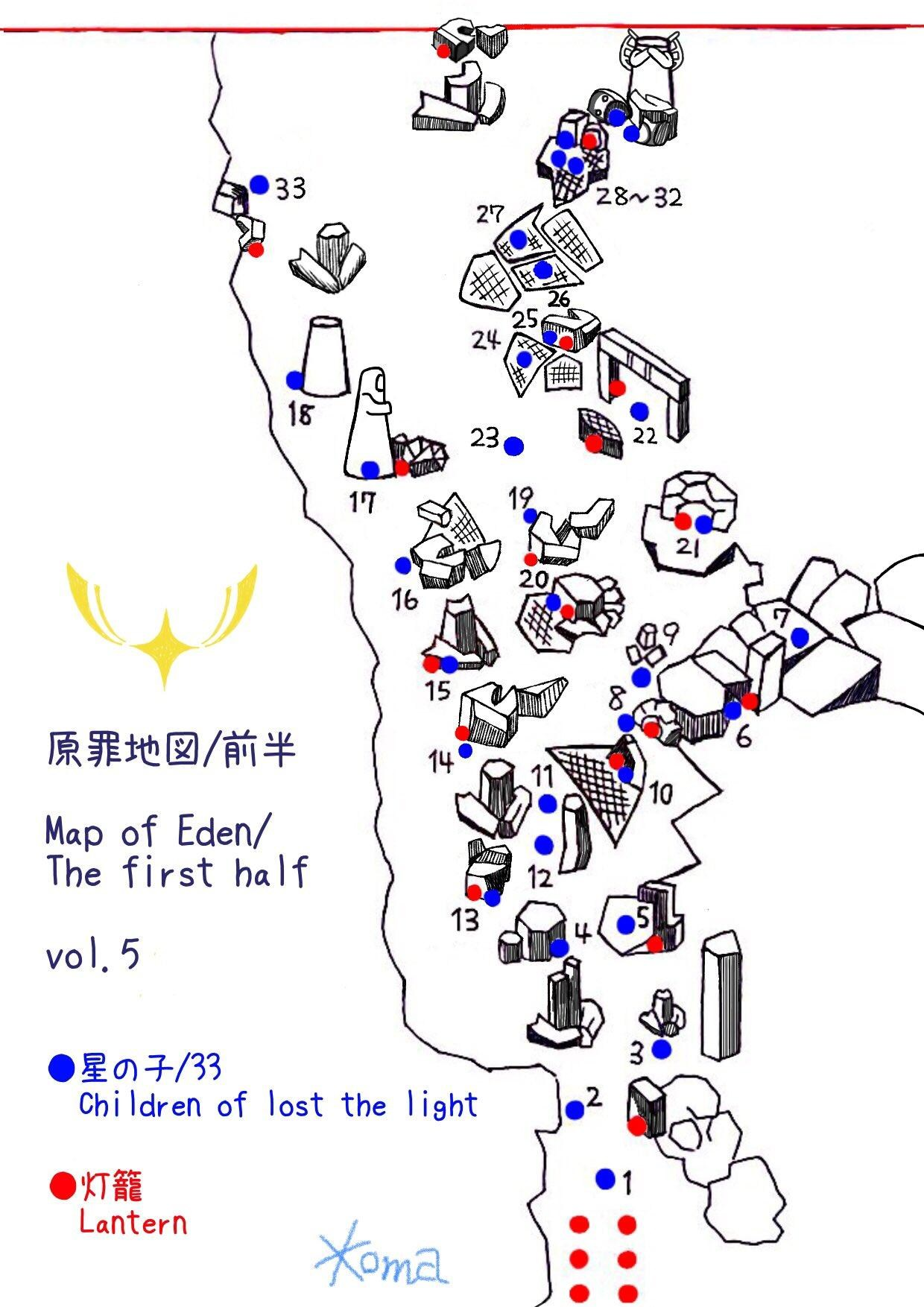
A Helldivers 2 level makes this abstract distinction clearer. Its fixed objective is broadly similar each time: eventually call a ship and extract. Sub-objectives, however, vary. Some are fixed and sequential: finish steps one, two, and three before calling the ship. Others are optional, such as clearing an outpost, rescuing hostages, or activating radar. Players can ignore them and follow the main route. This loose arrangement creates freedom: for tasks outside the main sequence, players can split up instead of staying in the same area.
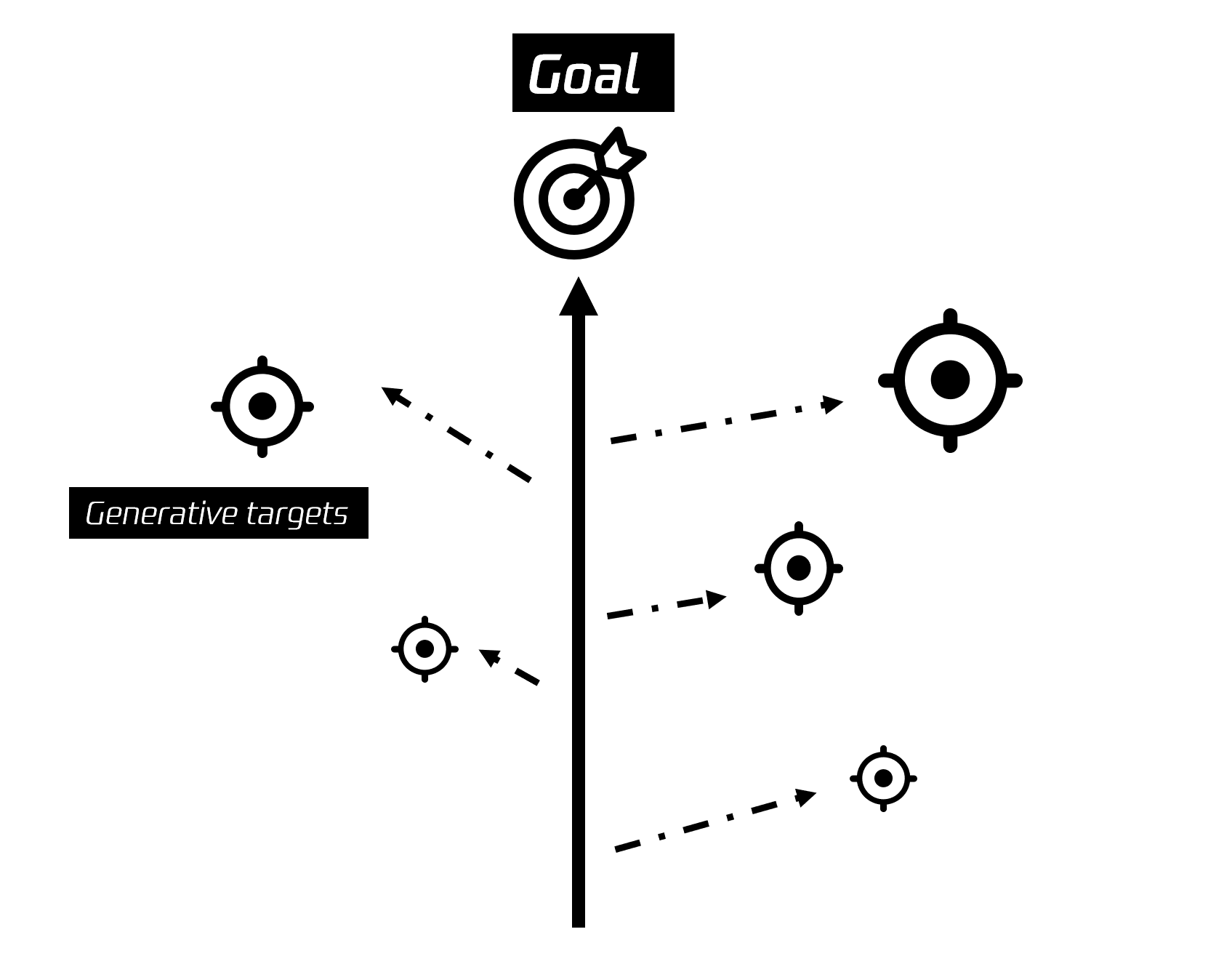
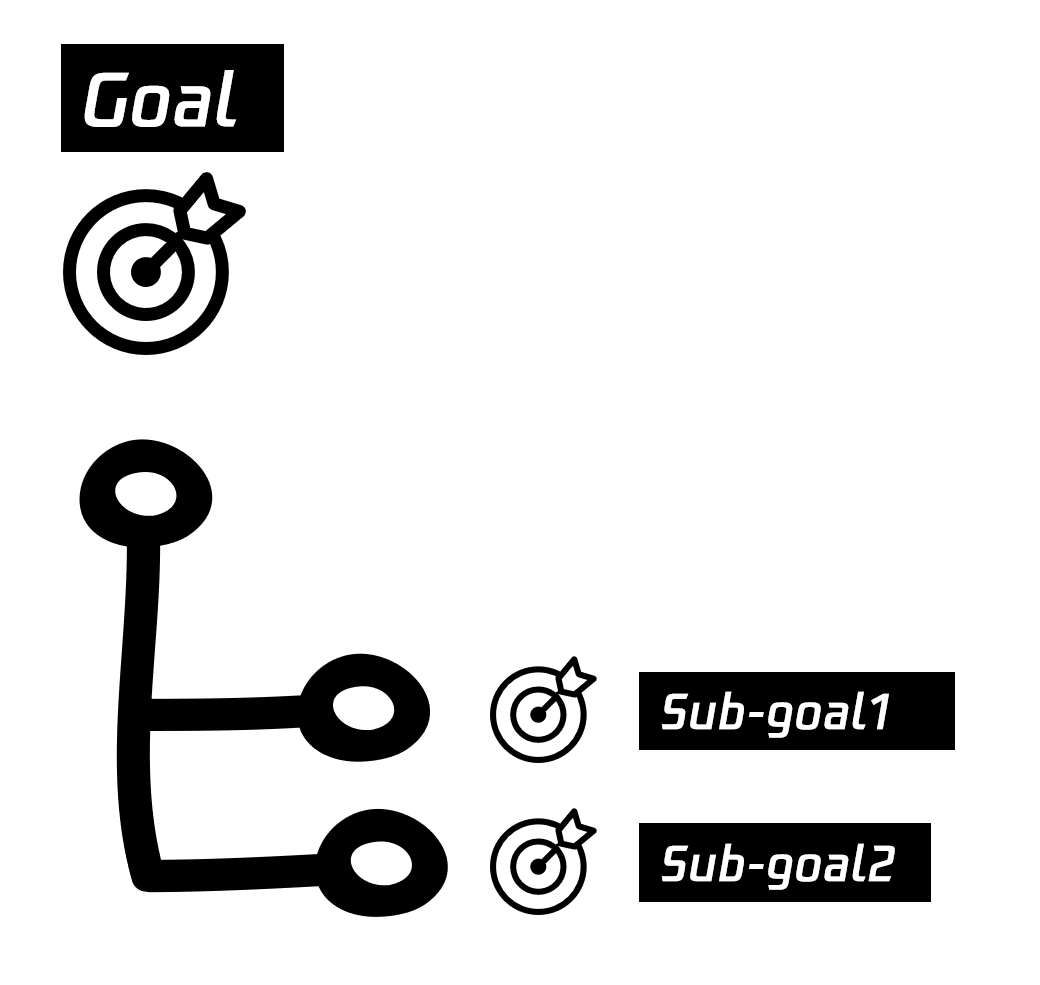
This opens a new paradigm for cooperative shooters. The classic model is Left 4 Dead's linear cooperative level design, which has influenced Call of Duty co-op modes, Payday, Back 4 Blood, The Division, and others. Its AI Director remains remarkably forward-looking, improving difficulty variation and the multiplayer experience, and inspiring many subsequent designers.
Left 4 Dead also offers a classic emergent sub-objective: collecting fuel cans in Dead Center. Interested readers can watch the referenced video rather than a detailed description here. Within a high-pressure situation, the designers introduce a small cooperative requirement: some players become fuel carriers, while others cover them. The natural coordination generated by this objective is central to why the sequence is memorable and frequently discussed.
Its status as a classic also depends on difficulty, its position as the level's climax, and the thematic fit between refueling and escape. But beneath the visible sequence, emergent-objective design produces interesting cooperative experiences for the team.
Video reference:
https://www.youtube.com/watch?v=8TfinwE0wIo
2. Overall level objectives and sub-objectives
Cooperative levels generally have an overall objective divided into smaller ones. Some depend on the overall goal; others do not. Two layers of dependency matter here: the relationship between each sub-objective and the main objective, and the relationships among sub-objectives themselves.
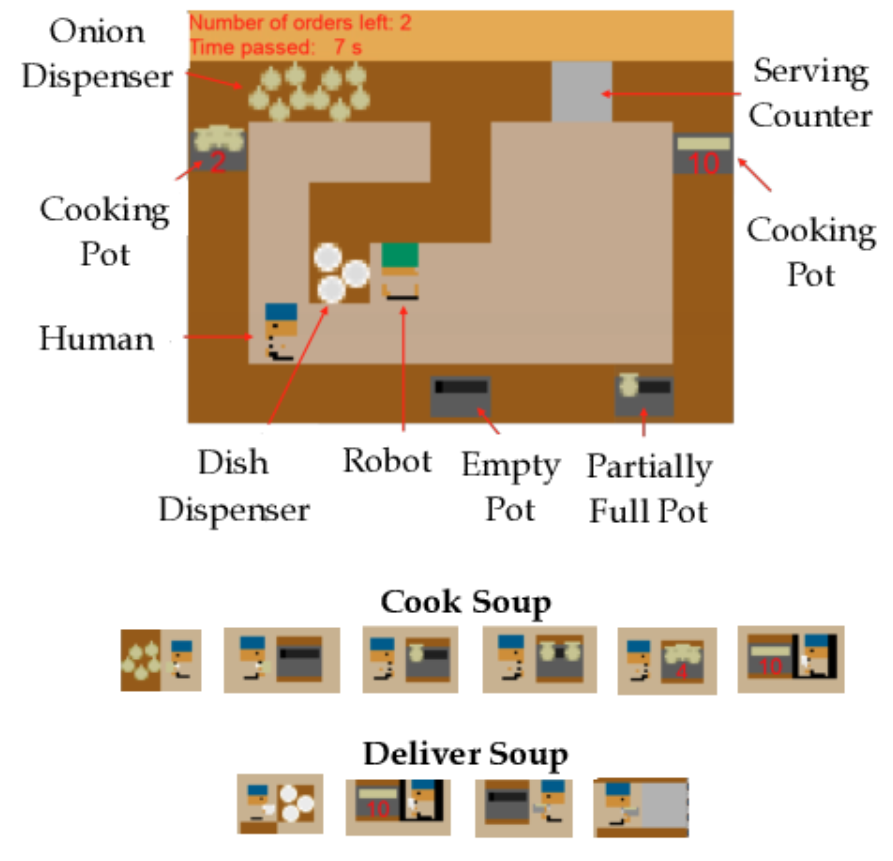
Overcooked exemplifies this design. A player can complete the full loop of collecting ingredients, chopping, cooking, plating, serving, and washing dishes. If serving is the overall objective, one person can perform the whole chain. But the sub-objectives are strongly dependent on one another, so players can divide them into roles. Once several interdependent tasks are assigned, an assembly line forms, and a mistake at any stage can become a bottleneck. The players themselves effectively define how the sub-objectives affect one another.
Division of labor and cooperation are difficult to separate. Without task division, loose cooperation remains possible but is weaker. Excessively fine division and strong dependencies, however, demand too much coordination between otherwise symmetric players and encourage mutual blame. This is a major reason Overcooked is jokingly called the relationship-breaking kitchen.
Once we understand how dependencies affect cooperation, both independent objectives and tightly interdependent ones can produce excellent levels.
3. Defining the range of capabilities needed for an objective
The Chinese proverb about three monks having no water describes how even a simple task may fail when responsibilities are unclear and people do not cooperate.
If a task is simple and within everyone's capabilities, the main issue is deciding who does what.
If it is difficult and only certain players can perform it, the situation becomes one of asymmetric cooperation.
Objectives that several players can handle tend to be easier; those only a few can handle tend to be harder. This gives designers a way to adjust the intensity of cooperation and objective difficulty.
Consider Sky's final level, Eye of Eden, a demanding multiplayer cooperative experience. Players with more wing power can protect those with less, reducing losses of Winged Light. Players can also gather together to recover energy faster. Such objectives encourage both loose and close cooperation, while giving stronger players more responsibility in helping less capable companions complete the level.

There are many comparable examples. I use Sky because it is almost a textbook of cooperative design, with much worth studying. Varying the range of capabilities an objective requires can change a level's rhythm and tension.
This also relates closely to asymmetric cooperation in section 2.1, and illustrates Spider-Man's familiar line: with great power comes great responsibility.
2.3. Classification by the immediacy of cooperation
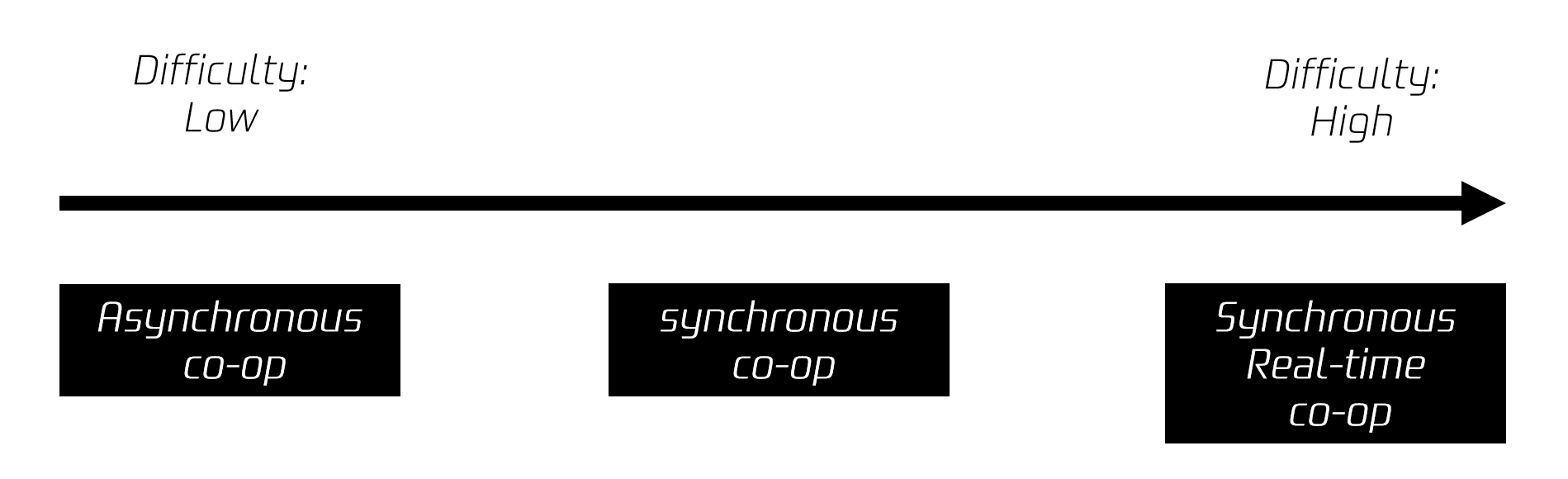
This classifies cooperation along a time dimension. The more immediate the required coordination, the closer and more difficult it generally becomes. Different timing requirements also feel different: greater immediacy requires players to understand one another better.
1. Simultaneous, immediate cooperation
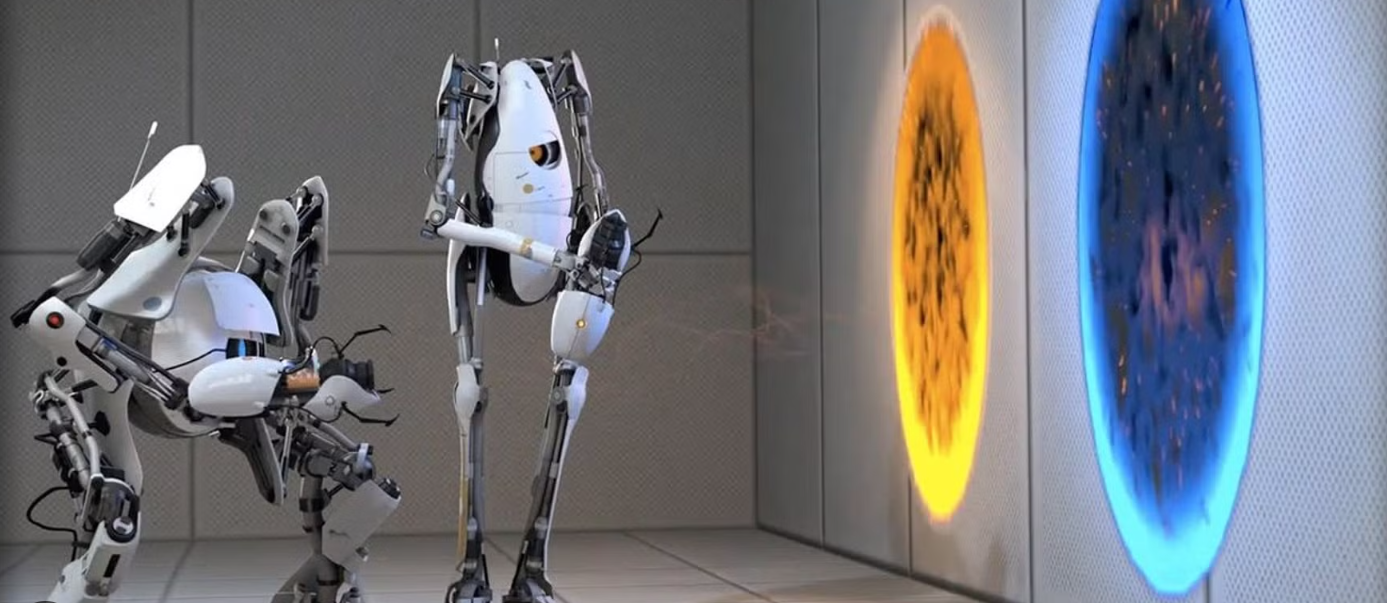
This places the strongest demand on timing, often leaving only seconds or less to cooperate. In Portal 2's co-op mode, players may need to stand on pressure plates together, trigger switches simultaneously, coordinate portals, or have one open a switch while the other reaches a destination through a portal within a time limit.
Destiny 2 raids are often criticized for demanding cooperation because their timing windows are so short. In Deep Stone Crypt, for example, players must quickly pass nuclear cores and shoot overhead targets. These actions require practiced, immediate coordination; one mistake can easily wipe the team.
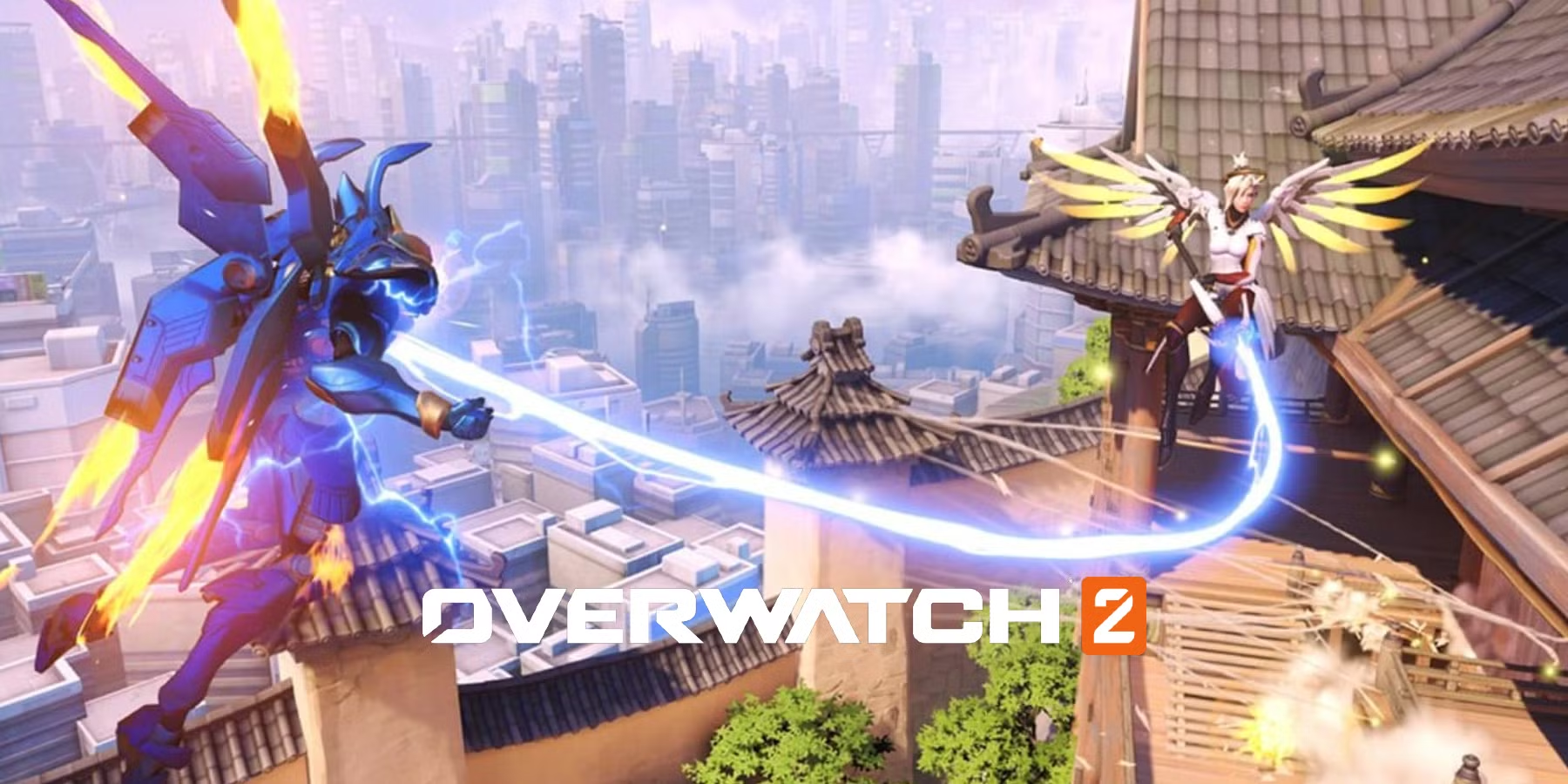
Coordinating ultimates in Overwatch is another example: using D.Va's ultimate after Zarya gathers enemies, or maintaining the airborne Pharah–Mercy combination, requires immediate responses between players.
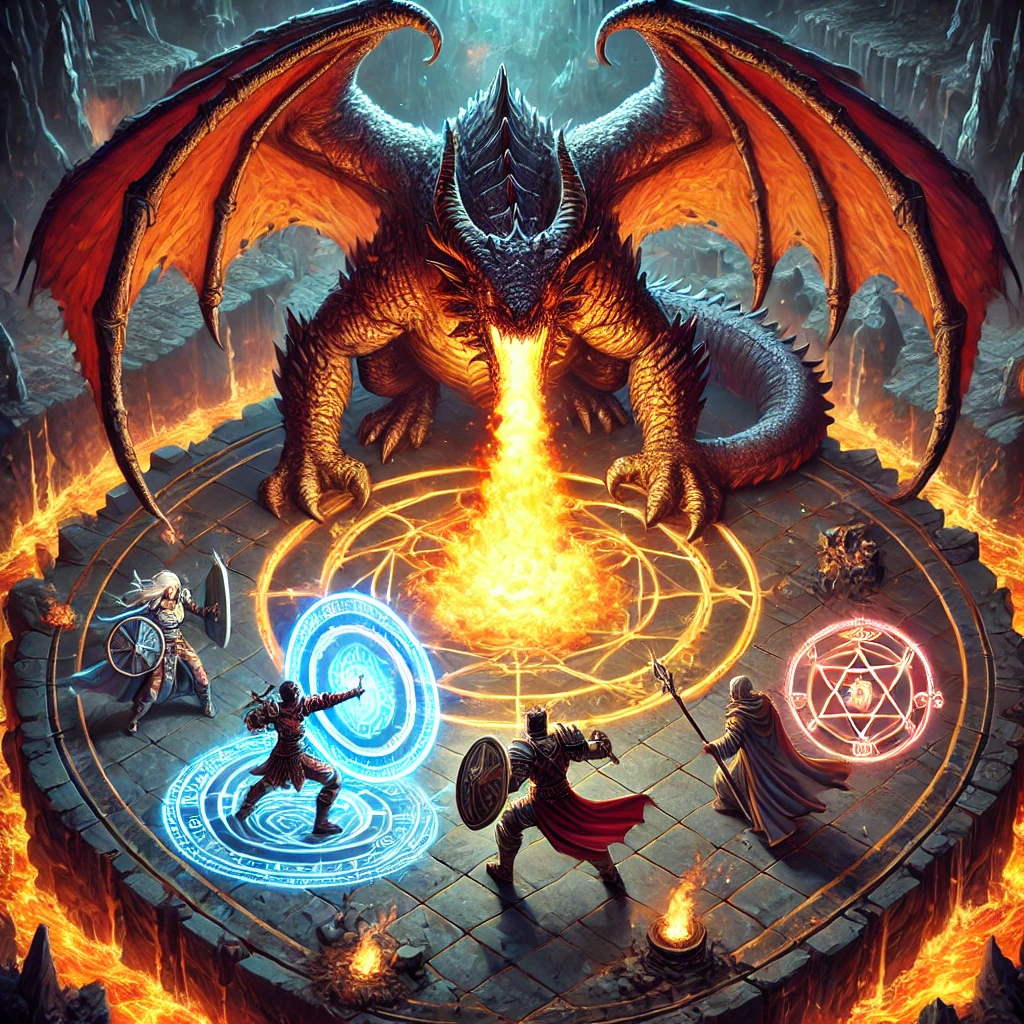
This kind of cooperation commonly serves demanding, competitive experiences and requires repeated practice. Like a three-legged race, it can produce the pleasure of group flow once partners become proficient. Its difficulties are equally clear: strangers may struggle to coordinate, blame each other frequently, and experience more negatives than positives.
2. Simultaneous, sustained cooperation
This is easy to understand through the familiar tank–damage–healer triangle, which underpins class structures in many mainstream games. Players need one another continuously throughout play, hence simultaneous, sustained cooperation. It is so common in MMOs such as World of Warcraft and Final Fantasy XIV that a separate example is unnecessary.
3. Sequential cooperation
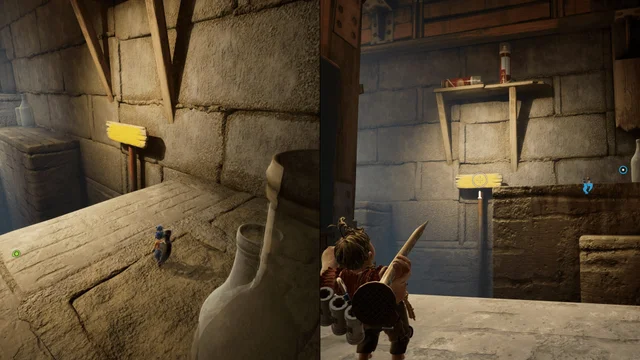
When immediate timing is less demanding, cooperation often takes a sequential form. The nail-and-hammer mechanics in The Shed from It Takes Two provide a familiar example.
Cody uses nails to hold a moving bridge in place so May can cross safely.
May uses her hammer to strike mechanisms and alter the environment, helping Cody advance.
The saying about carrying a hammer in search of nails also neatly evokes the sequential relationship between these tools.
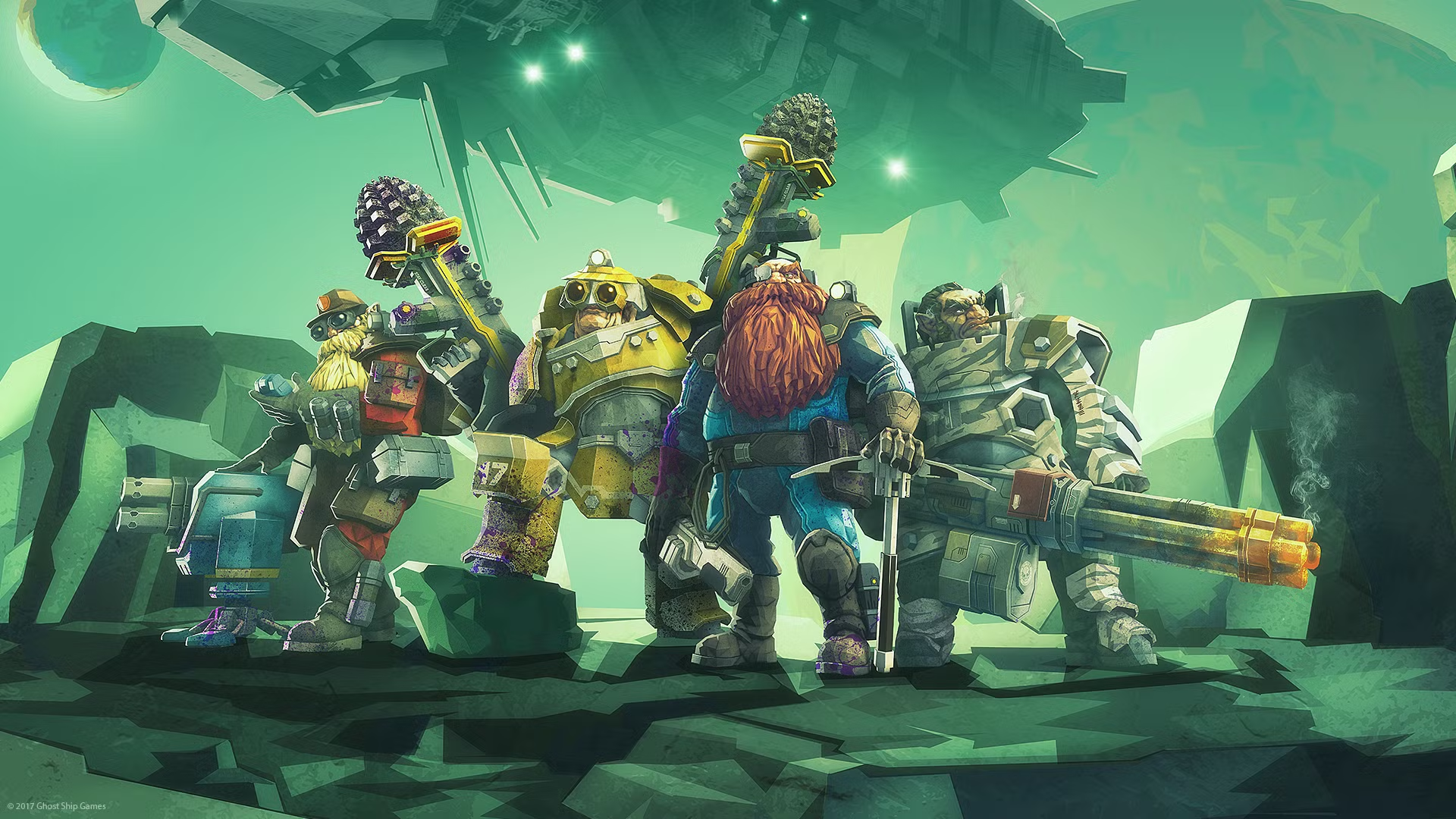
The four roles in Deep Rock Galactic usually cooperate in the second mode—simultaneous and sustained—but their division of labor also produces sequences. The Scout first explores using the laser guidance system, the Driller excavates, the Engineer builds platforms and equipment to keep everyone moving, and the Gunner clears enemies so the team can work safely. Repeated cycles of such sequential actions create close cooperation.
Each player performs a role and identifies the immediate problem. Faster completion of the sequence improves efficiency; a problem or slowdown upstream reduces the efficiency of the whole process.
Unlike the Overcooked model, where largely symmetric players can each complete an independent loop, this sequence is generally fixed and cannot be completed as a self-contained cycle by one player.
4. Offline sequential cooperation
Death Stranding's structures exemplify this design, although its roots might be traced to the Souls games' bloodstains. Other examples include NPCs from friends' islands visiting in Animal Crossing; guild members organizing buildings and furniture while you are offline in Palworld; and people entering a Minecraft or Terraria server at different times to excavate the same cave, build the same castle, and share storage.
Two particularly good asynchronous facilities in Death Stranding are Auto-Paver Roads and ziplines. They greatly improve travel over difficult terrain. Because different players build in different places, someone struggling to travel can discover that another player has already bridged a river or opened a mountain route. During a lonely hike, this creates a warm connection with another person's world.
I previously made a small experimental game around offline sequential cooperation: record player A's actions, then let player B play content formed by that recording. This idea later became the independent game Meet. Interested players can look at its not-quite-finished demo here:
I am very optimistic about asynchronous interaction and see considerable design potential. I hope more games explore its gameplay and narrative possibilities after 2025.
Chapter summary
Different timing designs affect emotional relationships differently. None is inherently better; the choice depends on the design goal and intended experience.
2.4. Classification by number of cooperating players
Given the previous dimensions—capability symmetry, level objectives, and immediacy—which mechanics suit different group sizes? This section offers recommendations based on the circumstances of play.
1. Design considerations for two-player cooperation
It Takes Two and its predecessor A Way Out are familiar examples. But split-screen and shared-screen cooperation have existed since consoles supported two controllers; many Famicom games allowed two players to fight together. Even modern third-person shooters include games centered on two-player cooperation, such as Army of Two. From the outset, consider the situation and the participants: couples, spouses, close friends, or parents and children, often physically close on a sofa with two controllers. Which cooperative mechanics suit that setting?
1. Prefer asymmetric capabilities
In these situations, partners are not easily interchangeable. You cannot replace your romantic partner, and a child's gaming skills will not improve instantly.
Asymmetric cooperation can balance the relationship, allowing the experience to alternate between tension and relief without putting excessive pressure on either participant.
2. Prefer cooperation with stronger immediacy
Although immediacy increases difficulty, the participants are physically close and can communicate readily. More immediate coordination may therefore help them build intimacy.
3. Prefer clear, aligned level objectives
There are only two participants, and their attention cannot handle many sub-objectives or emergent objectives simultaneously. A clear, shared main goal is a good choice.
2. Design considerations for three- or four-player cooperation
This is the most common co-op group size, usually supporting online play and therefore cooperation with strangers. One player should be able to complete things alone, while several can do so efficiently together. Forced cooperation between strangers often provokes resentment, as many player reviews show. This does not mean players dislike cooperation: in complicated matchmaking environments, the chance of a positive encounter with a cooperative teammate can feel much lower than the chance of a negative encounter with a toxic one. The recently released Delta Force: Black Hawk Down is a typical example. Its levels and experience draw on the realistic squad combat of Ready or Not and Six Days in Fallujah. Well-coordinated teams can achieve the group flow associated with SEAL operations. But many traditional shooter players are uncomfortable with compulsory cooperation, generating negative reviews. Even so, Black Hawk Down's multiplayer campaign is a significant, milestone contribution to cooperative shooter design.
Based on these circumstances, I suggest the following for three- or four-player games:
1. Prefer substantial overlap in capabilities
A highly skilled player can do most things, while ordinary players follow and handle what remains. This implies substantial overlap between roles, with few tasks exclusive to particular characters. Characters still need distinct identities, so special abilities can differ, but the principal capabilities required to achieve objectives should not be excessively restricted. Skilled players can then cover for others.
2. Prefer sequential and sustained cooperation; use simultaneous immediate cooperation cautiously
Highly immediate cooperation is not impossible, but greater timing demands increase difficulty and mutual blame. It needs care in squads of strangers.
3. Prefer sub-objectives and emergent objectives with limited interference
Squads of strangers are well suited to emergent and subsidiary level objectives. Helldivers 2's side missions are a good example: players can split up to complete them without heavily affecting one another or the core objective.
3. Design considerations for eight or more players
This often means large raids or instances. Cooperative units can be treated as an expanded version of the preceding case: four pairs, for example, or three groups of three. More participants make inter-group coordination harder, so demands involving timing, capability coverage, and objective variety need to be eased. Otherwise, one person's mistake can wipe the group and intensify social pressure.
3. Possible directions for cooperative game design
I began this article around June 2024, but intermittent thinking and writing have brought it almost to Split Fiction's March 7, 2025 release. Although it has not yet launched, it looks likely to be a heavyweight in an already major gaming year. Cooperation offers many design questions. Here are some open-ended ideas for discussion: they may have no definitive answers, but thinking about them is interesting and full of possibilities.
1. Two-player games that cultivate intimate relationships
This is easy to understand through the sibling relationship in Brothers or the friendship in A Way Out. Yet we have fewer examples centered on fathers and sons, mothers and daughters, or romantic partners. Some games have tried, but have not yet combined engaging mechanics and storytelling in ways that take such relationships further. Intimacy is a major subject in film, theater, and novels; the rise of cooperative games should create more room to explore it. Narrative and design techniques must also develop. Traditional single-player narrative structures cannot fully accommodate the demands of two-player cooperation, and I look forward to more inventive methods.
2. Cooperative games that communicate through gameplay without speech or text
Sky has advanced gameplay as a language. The idea itself is not new: Fumito Ueda, a Japanese designer I greatly admire, used gameplay communication between players and NPCs in ICO, Shadow of the Colossus, and The Last Guardian. Those designs inspired countless successors. As games develop, more players use this medium's distinctive forms of interaction.
Games can certainly communicate through language and text, but another form of player communication opens further possibilities unique to the medium.
Many genres could pursue this. Fall Guys and Untitled Goose Game's co-op already use some of the appeal of gameplay language. I will not examine each here; the key considerations are theme and the means of cooperative communication.
3. Offline asynchronous cooperative games
As section 2.3.4 discussed, I favor this direction largely because its demands are more forgiving. That makes it broadly applicable: action, strategy, shooters, and other genres all have room for asynchronous interaction. The simplest example is the Souls-like bloodstain mechanic already used in many games.
Other design elements seem to conflict with cooperation and have long lacked outstanding examples, but future combinations of genres may overcome these problems.
1. Can roguelikes and roguelites support cooperative design?
Designers value roguelikes for replayability and player freedom. But the complexity and progression of builds mean multiplayer co-op has rarely used this model. Designing around squad builds and squad progression could offer considerable room for exploration.
2. How can cooperative games design multiplayer narrative experiences?
Immersive storytelling for multiple cooperating players remains difficult, with few strong examples to use as references. It Takes Two is an excellent game, primarily for its mechanics; I find its narrative only just adequate. I hope Split Fiction can advance the genre's narrative mechanisms and methods.
3. In cooperative competitive games, asymmetry often leads to blame and balance complaints. How can players find wonderful teammates and avoid a toxic atmosphere of mutual accusation?
Here I mainly mean three- or four-player squads. Helldivers 2, an important release last year, again offers useful multiplayer design lessons: tasks are possible alone but better together; squad goals align; occasional coordination is possible without preventing independent action; difficult levels require closer cooperation; squads can discuss builds before deployment; and the airdrop system connects teammates' capabilities. These small choices make cooperation forgiving while still allowing tight coordination. As I write this paragraph, Monster Hunter Wilds has been out for two days. Its cross-platform hunts and support calls also take that long-running series a step further in cooperative design.
Conclusion
Play amplifies human behavior. It can make us more malicious or violent, but also kinder and more willing to give. Sky's small candlelight can break through the hardest ice between people. Across my decades with video games, the highlights of playing cooperatively with friends, family, colleagues, and classmates remain among the most captivating. Perhaps that is why I finally finished this article after repeatedly setting it aside. I remember the night spent puzzling through Portal 2, the afternoon finishing A Way Out together, the brothers holding a building in Army of Two, the children arguing over Overcooked, and above all you, you, and you in Behemoth's first, second, third, and fourth compartments.
I hope this article inspires designers developing—or about to develop—new cooperative mechanics. May you create more wonderful memories that belong to your players!
Appendix
Reading background and index
1. Group flow: the concept discussed here comes from Stealing Fire, a book exploring altered states and exceptional performance through Silicon Valley, Navy SEALs, and other leading practitioners. In this context, it primarily describes the highly efficient, closely coordinated communication achieved by SEAL teams during operations.